
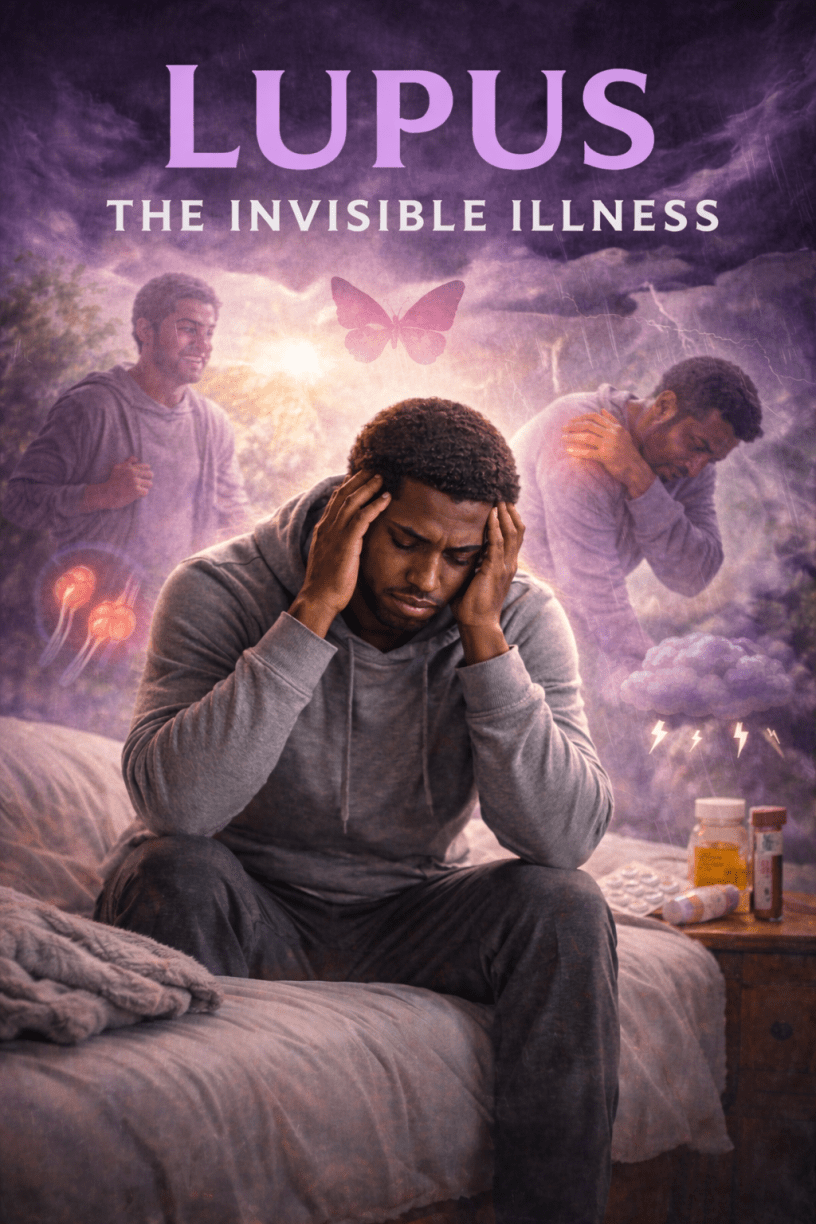
Life often presents us with situations that test our resilience. These moments – whether they make or break us – always leave behind lessons that shape who we become. My health journey has been one of those defining experiences, shaping me in ways I never anticipated. While it hasn’t always been positive, it has taught me resilience and strength in ways I didn’t understand at the time.
I’ve written about my health before. My very first post back in 2017 (now deleted) focused on my experience living with an underactive thyroid. I wrote about my life before the diagnosis, what pushed me to finally see a doctor, how I felt, and the reality of managing it day to day.
Since being diagnosed with Hypothyroidism in April 2016 – almost ten years ago – I’ve struggled to truly manage my health. It never quite clicked. I knew I’d have symptoms. I knew I had to be mindful of my body. I knew I’d need medication for the rest of my life. And yet, somehow, none of it fully registered.
It’s often said that developing one autoimmune disease increases your susceptibility to another. In hindsight, that should have put things into perspective and prepared me for the possibility of something more – but it didn’t.
The autoimmune disease I was later diagnosed with was Lupus – a condition I was already familiar with.
Lupus is a chronic autoimmune disease, meaning that it doesn’t simply come and go. It’s a condition in which the immune system, which is supposed to protect the body, turns on the body instead. Rather than fighting off infections, it attacks healthy tissue, causing inflammation, pain and a wide range of symptoms that can affect almost any part of the body.
What makes Lupus especially difficult is that it doesn’t look the same for everyone. It can be unpredictable, invisible, and often misunderstood. – something that can be just as exhausting mentally, emotionally, as it is physically.
Lupus comes with a wide range of symptoms, and no two experiences are exactly the same. For me, it has been limited to just one or two – it’s been a constant cycle of managing many at once.
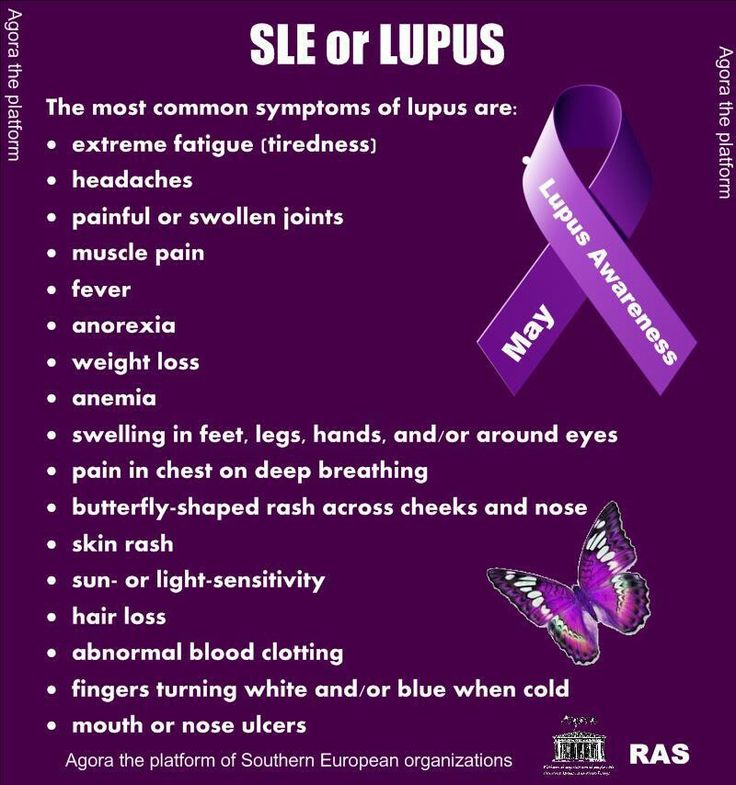
Some of the most common signs and symptoms include:
- Extreme Fatigue
- Pain or swelling in joints
- Swollen lymph nodes
- Headaches
- Sensitivity to sunlight
- A butterfly-shaped rash across the cheeks and nose
- Hair loss
- Fingers turning white or blue when numb and cold (Raynaud’s)
- Chest pain
- Digestive issues
- Cognitive difficulties such as memory loss, confusion and brain fog
I’ve experienced nearly all of these symptoms since my diagnosis – and even now, new ones continue to emerge.
Living with an Invisible Illness
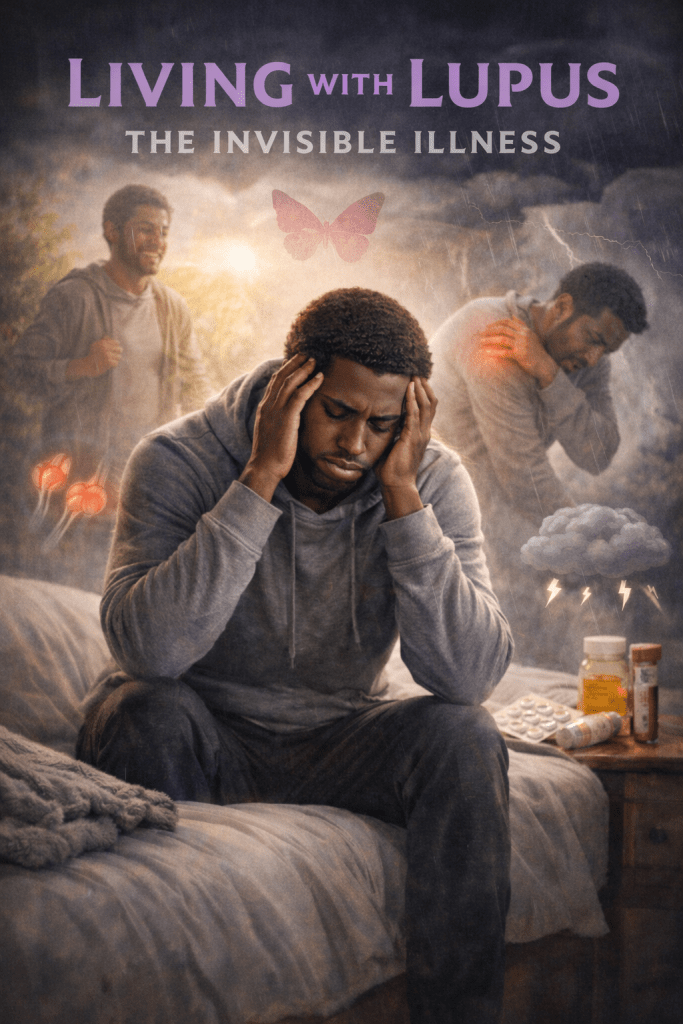
Living with Lupus feels like walking through life beneath an unpredictable storm cloud. Some days the sun shines, and I feel almost normal – full of energy, capable of anything. Then, without warning, the complete opposite. Other days, the rain pours, the wind howls, and simply standing up or getting out of bed feels impossible.
Lupus has shaped me in ways I never imagined. I titled this post “The Invisible Illness” because Lupus is often described that way. On the outside, I may look fine – smiling, laughing, showing up and enjoying. But inside, my body is fighting a war against itself, and most days, if not all, I’m running on fumes. The effort to show up, put on a mask to smile, and be present is exhausting in ways hard to explain – especially when the battle I’m fighting is one no one can see.
The fatigue can be overwhelming, making even the simplest tasks – like getting out of bed – feel unachievable. Pain flares without warning and living in constant pain is something I’ve had to learn to endure, despite having a very low pain threshold. Brain fog makes it difficult to concentrate, organise my thoughts, or maintain any real sense of order.
One of the hardest parts is the Unpredictability. Because my symptoms aren’t always visible, they’re often misunderstood, or underestimated – leaving me having to explain, justify, or silently carry what others can’t see.
As I continue to write this, I feel it’s important to explain how I ended up diagnosed – and how I felt in the lead up to it.
Throughout 2022, I began to feel increasingly unwell. My joints would seize up, feeling heavy, as if I’d just completed an intense gym session. Working my IT job felt like a workout in itself. Office moves would completely wipe me out. I was constantly exhausted, often confused and frustrated – forgetting things I would normally remember – and I started waking up in significant pain throughout the night.
At first, I hesitated to see a doctor. I was already in and out of medical appointments and felt drained by the process. But something happened that made me realise this wasn’t something I could ignore.
I was at a wedding – drinking, enjoying myself, dancing, living in the moment. But once the alcohol wore off and the adrenaline faded, it felt like I had been hit by a truck. I could barely move. The next morning, I woke up feeling almost paralysed. Eventually, I managed to gather enough strength to get myself into the shower. The pain was otherworldly. I could barely lift my legs up to step in or raise my arms to wash myself.
That moment scared me. It led me to confide in my mum – partly because I was frightened, and partly because she has faced health struggles of her own. I knew she would understand.
When I described my symptoms, she recognised them immediately. She told me it sounded like Lupus – the same symptoms that had led to her own Lupus diagnosis years earlier. She urged me to ask my doctors to run blood tests, and from that moment on, everything moved quickly. Life, as I knew it, changed.
I went through what felt like an endless number of blood tests, repeated over months. It took around 6 months for results to come back showing indications of Lupus, followed by another five months of further testing before I was officially diagnosed and referred to rheumatology to begin accessing treatment.
That diagnosis forced me to confront something about myself that I could no longer ignore.
I’ve always been an all-or-nothing type of person – pushing myself to extremes with everything I do. Now, if I go too hard, I pay the price with days or even weeks of exhaustion and pain. Adjusting to this has been mentally, spiritually and physically taxing. At times, I feel like a lesser version of myself. I remind myself daily that Lupus is part of me, but it does not define me.
Witnessing Lupus Firsthand
I think it’s time I explain how I was already familiar with Lupus. (despite loosely already mentioning it)
Before my own diagnosis, I had witnessed the impact of Lupus through my mum. She has lived with it. for over 30 years, having been diagnosed shortly after I was born. Growing up, I watched her endure its relentless ups and downs with incredible strength. I saw her navigate pain, exhaustion, and uncertainty – but I never truly understood what she was carrying until I found myself walking the same path.
It’s one thing to witness and support someone living with a chronic illness: it’s an entirely different experience when you’re living with it yourself. This journey has given me a deeper understanding of my mum’s struggles and her resilience. I now understand why she is the way she is when it comes to her health and how she lives her life. In many ways, my diagnosis has shaped me to be the same.
I see her in a completely different light now. The fact she pushed through constant pain, fatigue, and countless challenges while raising four young children – a teenager – two under the age of ten and a baby – all while battling Lupus, is something I find astonishing. I’m struggling to cope with it on my own, without even half of the responsibilities she carried.
I’ll be completely honest – I don’t think I would’ve been able to do it – and even now, I still don’t.
If there is one thing Lupus has given me, aside from the struggles and pain, it is a profound sense of understanding and an even deeper admiration for my mum. No pun intended, but she is a true warrior.
 Tyrell Kieran